Najważniejsze fakty w pigułce
Substancje ochronne przed utlenianiem stanowią kluczowy element wspierający funkcjonowanie organizmu oraz pomagający w profilaktyce wielu przewlekłych dolegliwości. Często błędnie utożsamia się je wyłącznie z suplementami diety, podczas gdy to naturalne produkty roślinne oferują znacznie lepszą przyswajalność i bezpieczeństwo stosowania. Zrozumienie roli tych związków jest niezbędne dla każdego, kto pragnie świadomie dbać o swoje zdrowie poprzez odpowiednie wybory żywieniowe.
Mechanizm działania tych substancji opiera się na neutralizacji wolnych rodników, które powstają w wyniku procesów oksydacyjnych zachodzących wewnątrz komórek. Nadmiar tych reaktywnych cząsteczek może prowadzić do uszkodzeń struktur komórkowych, dlatego dostarczanie organizmowi bioaktywnych metabolitów z pożywienia jest tak istotne. Warzywa, owoce oraz zioła stanowią bogate źródło tych cennych związków, które aktywnie wspierają naturalne procesy obronne organizmu przed stresem oksydacyjnym.
Najskuteczniejszym sposobem na zapewnienie organizmowi odpowiedniej ochrony jest opieranie diety na pełnowartościowych, nieprzetworzonych produktach zamiast na syntetycznych tabletkach czy kapsułkach. Warto dążyć do różnorodności w codziennym jadłospisie, wybierając świeże składniki roślinne, które działają synergistycznie. Regularne spożywanie produktów bogatych w antyoksydanty to prosty i naturalny sposób na wspieranie witalności oraz długofalowe dbanie o kondycję całego organizmu.
Substancje ochronne przed utlenianiem to związki, które w naszej społeczności są dość dobrze znane ze swoich korzystnych wpływów na organizm. Niestety, są one często mylone wyłącznie z suplementami diety, podczas gdy znacznie korzystniejsze przyswajanie oraz bezpieczne stosowanie wynika z ich spożywania w naturalnych produktach, takich jak owoce lub superfoods. Czym w ogóle są te substancje ochronne przed utlenianiem, a gdzie możemy je znaleźć?
02 / 04
Antioxidants in food
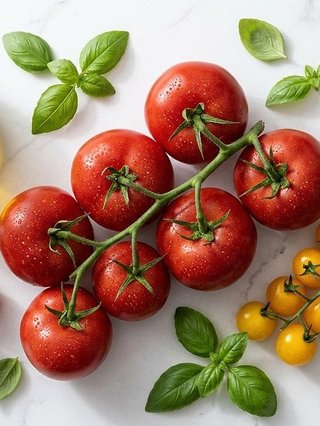
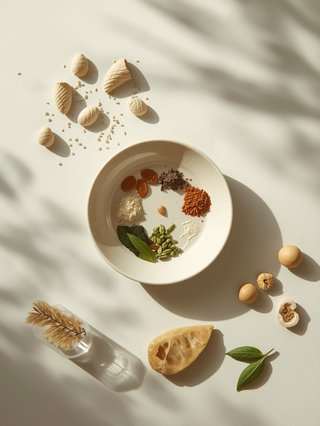
Bioactive compounds are found in practically every food group. Fruits and vegetables are a particularly rich source of antioxidants. For this reason, it is recommended to consume at least five servings of raw vegetables or fruits per day, as they are rich in these important nutrients and allow consumers to protect themselves from a range of diseases and thus maintain health for years. It is worth remembering that their antioxidant activity depends on the degree of ripeness and post-harvest storage. Proper storage of raw materials and preventing spoilage is extremely important. Similarly, less ripe fruits are usually richer in active compounds than fully ripe ones. Analyzing different types of fruit, it can be observed that aronia and blueberry fruits are characterized by the highest concentration of polyols and high antioxidant activity. In the former, the content of antioxidants reaches levels of up to 10–70mg/g of dry body weight, of which up to 50% are anthocyanins. However, the amount of antioxidants in bilberry is about 30 mg/g of dry matter. Additionally, apples, cherries, strawberries, blackberries, rose hips, and black elderberries are rich in these beneficial compounds. Vegetables, on the other hand, have a lower antioxidant capacity, but are still rich when compared with other products. Among them, garlic, kale, spinach, broccoli, beets, cabbage, and Brussels sprouts can undoubtedly be mentioned. Additionally, red onion or shallots are recommended, as is tomato, which is extremely rich in lycopene with a weak, but noticeable antioxidant effect. Spices are also characterized by a high content of these active compounds, among which cinnamon, turmeric, cocoa, cumin, parsley (leaf), or basil, as well as chili, marjoram, or thyme, can be effective. These products contain a fairly concentrated amount of compounds in a small volume, so adding 3–4 teaspoons of nettle to the dish will significantly improve its nutritional quality. Interestingly, red wine, green tea, and even black tea are also quite rich sources of antioxidants. However, we must remember that in the case of wine, it must be dry, not sweet, because as the sweetness increases, the amount of antioxidants decreases. Of course, numerous superfoods such as: chia seeds, goji berries, or acai provide many substances with the described characteristics.
Chcesz wdrożyć te zasady w codziennej diecie?
Nasz inteligentny generator ułoży dla Ciebie zbilansowany jadłospis w 3 minuty, uwzględniając zalecenia z tego artykułu.