Otręby owsiane a płatki owsiane – proces produkcji, wartości odżywcze i właściwości prozdrowotne
Spis treści 4
Nota medyczna i redakcyjna (§3 Regulaminu): Artykuł ma charakter wyłącznie informacyjno-edukacyjny, nie stanowi porady lekarskiej, diagnozy ani zalecenia terapeutycznego i jest stosowany wyłącznie na własne ryzyko. W przypadku chorób lub leczenia skonsultuj dietę z lekarzem prowadzącym.
Z fizjologicznego punktu widzenia otręby owsiane charakteryzują się większą zawartością białka roślinnego i błonnika pokarmowego przy jednoczesnej niższej zawartości strawnej skrobi w porównaniu do płatków owsianych. Kluczowymi składnikami odpowiedzialnymi za działanie prozdrowotne są rozpuszczalne w wodzie beta-glukany oraz unikalne antyoksydanty – awenantramidy. Beta-glukany w przewodzie pokarmowym tworzą lepki żel, który powleka błonę śluzową i wiąże kwasy żółciowe w jelitach. Zmusza to wątrobę do wychwytywania krążącego we krwi cholesterolu w celu syntezy nowych kwasów żółciowych, co sprzyja utrzymaniu prawidłowego profilu lipidowego oraz wspomaga stabilizację poziomu glukozy po posiłku.
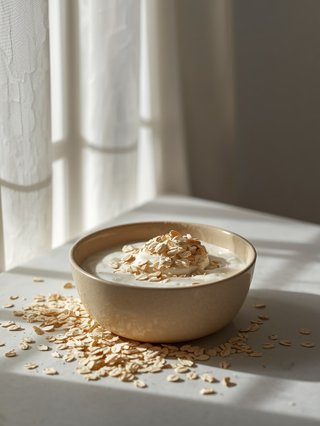
W codziennej praktyce kulinarnej i dietetycznej płatki oraz otręby owsiane nie wykluczają się, lecz doskonale uzupełniają. Płatki stanowią wyśmienitą, sycącą bazę pełnowartościowych posiłków, takich jak poranna owsianka czy domowe musli. Z kolei otręby owsiane sprawdzają się znakomicie jako skoncentrowany dodatek podnoszący wartość odżywczą potraw – można je z łatwością wmieszać do jogurtu, koktajlu lub wypieków. Regularne włączanie obu tych produktów do jadłospisu wspiera prawidłowe funkcjonowanie układu pokarmowego i stanowi prosty krok w stronę zrównoważonego odżywiania.
Przez ponad dwa milenia owies stanowił nieodłączny element codziennego jadłospisu, ciesząc się uznaniem zarówno ze względu na doskonałe właściwości uprawne, jak i wyjątkowe korzyści zdrowotne oraz bogactwo składników odżywczych. Współczesny rynek oferuje szeroką gamę produktów owsianych – od mąki i kaszy, po płatki oraz otręby. Niniejszy artykuł koncentruje się na dogłębnej analizie dwóch ostatnich kategorii, prezentując ich charakterystykę oraz potencjalne zastosowania kulinarne i dietetyczne.
How Rolled Oats and Oat Bran Are Produced: Technological Differences
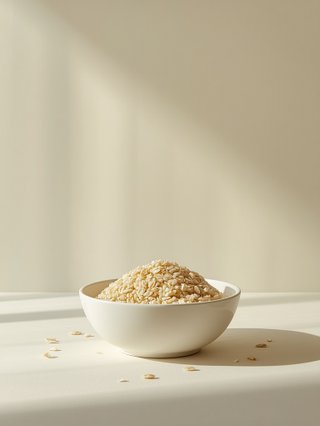
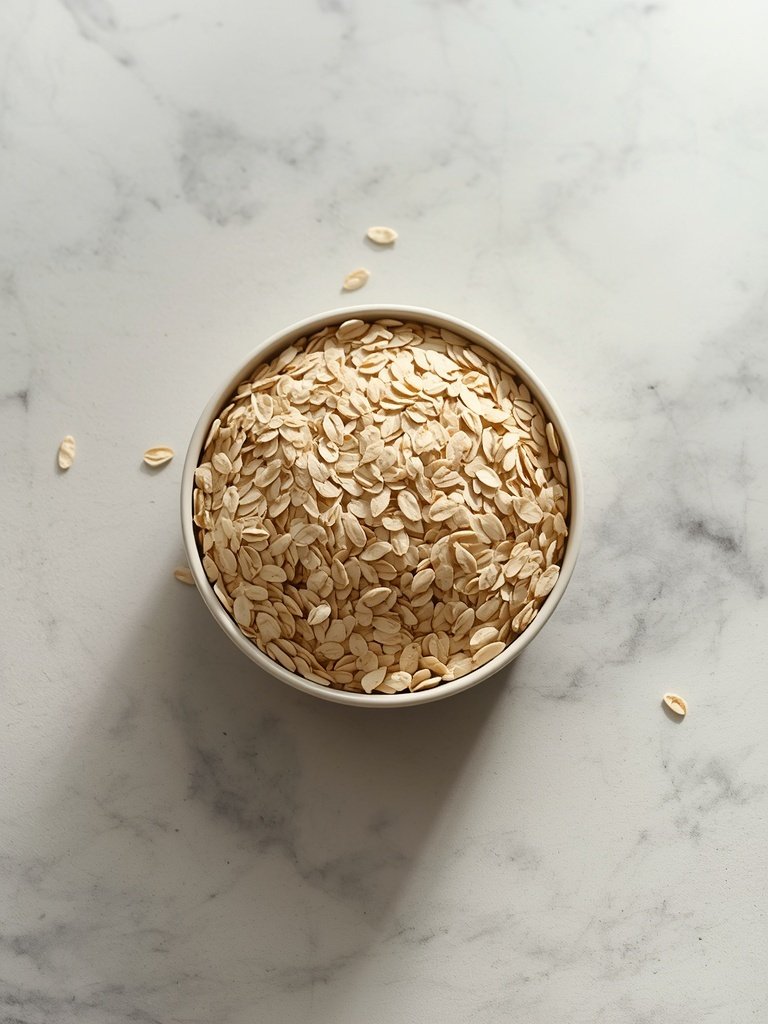
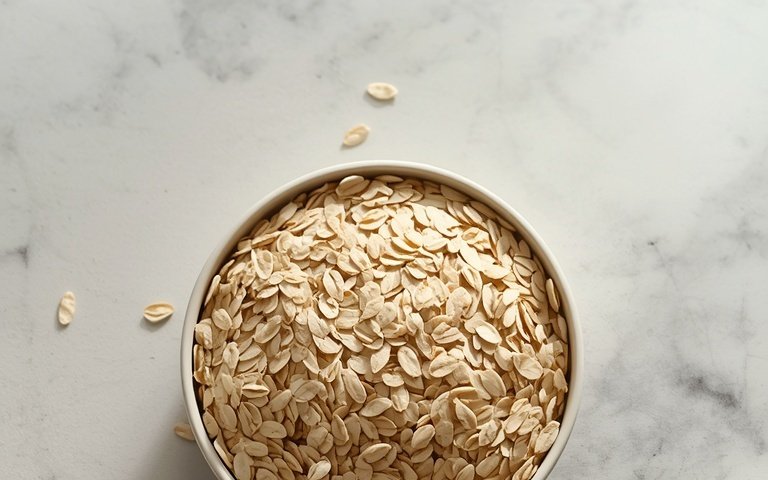
Although both rolled oats and oat bran originate from the same cereal grain—common oats (Avena sativa)—their milling processes yield anatomically and nutritionally distinct products. To produce rolled oats (oatmeal), the entire dehulled oat groat (comprising the starchy endosperm, germ, and outer bran layers) is cleaned, kiln-steamed to deactivate lipid-splitting enzymes, and flattened between heavy steel rollers. Depending on processing intensity, rolled oats are categorized into old-fashioned whole-grain flakes, quick-cooking flakes (rolled from steel-cut groats), and instant flakes.
Oat bran, by contrast, is separated during the milling of dehulled oat groats into refined oat flour: it consists specifically of the grain’s nutrient-dense outer envelopes—the pericarp, seed coat (testa), aleurone layer, and sub-aleurone tissues along with a portion of the germ. Because soluble fibers, B vitamins, and trace minerals are heavily concentrated within these peripheral layers, oat bran offers an even higher functional density of bioactive compounds per gram than standard rolled oats.
Nutritional Comparison: Calories, Protein, Fiber, and Micronutrients
A side-by-side analytical comparison per 100 grams highlights the nutritional strengths of both oat products:
- Energy and Carbohydrates: While both supply a comparable caloric value of roughly 350–375 kcal per 100 g, oat bran contains significantly less digestible starch (approx. 45–50 g carbohydrates vs. 60–62 g in rolled oats) and exhibits a lower glycemic load.
- Plant Protein: Oat bran provides approximately 17–18 g of protein per 100 g compared to 12–13 g in rolled oats, offering an exceptional amino acid spectrum among cereal grains.
- Total Fiber and Beta-Glucans: Oat bran contains roughly twice the total dietary fiber of rolled oats (approx. 15–19 g vs. 7–10 g per 100 g) and nearly double the concentration of soluble beta-glucans (approx. 6–8 g vs. 3–4 g).
- Micronutrient Density: Oat bran delivers markedly higher levels of magnesium (approx. 235 mg vs. 130 mg), phosphorus, iron, zinc, potassium, and B-complex vitamins (thiamin B1, folate B9, and pantothenic acid B5).
Clinical Effects of Oat Beta-Glucans and Avenanthramides
The primary therapeutic agents in both oat bran and rolled oats are (1→3),(1→4)-β-D-glucans—high-molecular-weight, water-soluble non-starch polysaccharides. Upon contact with fluids in the stomach and small intestine, beta-glucans form a viscous hydrogel that coats the gastrointestinal mucosa and entraps bile acids in the intestinal lumen. By increasing fecal bile acid excretion, beta-glucans compel hepatocytes to upregulate LDL receptors and draw circulating LDL cholesterol from the bloodstream for de novo bile acid synthesis.
According to the European Food Safety Authority (EFSA), a daily intake of 3 grams of oat beta-glucan (achievable via roughly 40 g of oat bran or 75–80 g of rolled oats) clinically lowers blood LDL cholesterol levels. Simultaneously, this viscous matrix slows carbohydrate digestion, blunts postprandial glycemic and insulinemic responses, and undergoes colonic fermentation by beneficial bacteria into short-chain fatty acids (such as butyrate). Furthermore, oats uniquely contain avenanthramides—specialized phenolic alkaloids that exert potent antioxidant, anti-inflammatory, and nitric-oxide-stimulating vasodilatory effects.
Rolled Oats or Oat Bran – Practical Selection and Culinary Integration
In clinical meal planning, rolled oats and oat bran are not competing alternatives; rather, they complement each other seamlessly. Rolled oats (especially minimally processed old-fashioned flakes) serve as an ideal foundation for a complete meal—such as warm morning porridge, overnight oats, homemade muesli, or savory oat patties—where a standard serving is 40 to 60 grams.
Oat bran functions best as a concentrated nutritional booster (typically 1 to 3 tablespoons or 15–30 g daily) stirred into yogurt, kefir, smoothies, pancake batters, soups, or even added directly into a bowl of rolled-oat porridge to double its beta-glucan content. Clinical tip: When increasing oat bran intake, introduce it gradually alongside ample fluid consumption, and maintain a 2-hour window between high-bran meals and oral medications (such as levothyroxine or iron supplements) to prevent fiber-mediated reductions in drug absorption.
Chcesz wdrożyć te zasady w codziennej diecie?
Nasz inteligentny generator ułoży dla Ciebie zbilansowany jadłospis w 3 minuty, uwzględniając zalecenia z tego artykułu.

Anna Schmidt
• 25.11.2026Ekspert Diets Premium
Ekspert zespołu Diets Premium. Specjalizuje się w planach żywieniowych, sportach siłowych oraz planach treningowych.