Fizjologiczne wsparcie wątroby i nerek: jak dieta naprawdę wspomaga oczyszczanie organizmu
Spis treści 4
Nota medyczna i redakcyjna (§3 Regulaminu): Artykuł ma charakter wyłącznie informacyjno-edukacyjny, nie stanowi porady lekarskiej, diagnozy ani zalecenia terapeutycznego i jest stosowany wyłącznie na własne ryzyko. W przypadku chorób lub leczenia skonsultuj dietę z lekarzem prowadzącym.
Hasło „oczyszczanie organizmu” kojarzy się często z restrykcyjnymi głodówkami na samych sokach, które potrafią wywołać zmęczenie, bóle głowy i utratę masy mięśniowej. Tymczasem ludzki organizm dysponuje niezwykle sprawnym, pracującym 24 godziny na dobę systemem biotransformacji — wątrobą, nerkami, przewodem pokarmowym i płucami.
Ten przewodnik oparty na fizjologii żywienia wyjaśnia, jakich realnych składników odżywczych potrzebują enzymy wątrobowe fazy I i II oraz jak odciążyć metabolizm mądrą, smaczną kuchnią.
How Hepatic Biotransformation Works: Phase I and Phase II
Your liver converts fat-soluble compounds into water-soluble metabolites ready for excretion via bile or urine. Phase I cytochrome P450 enzymes modify target molecules, while Phase II conjugation pathways bind them with glutathione, glycine, taurine, or sulfate for safe elimination.
This is precisely why protein-free crash fasts backfire: hepatic Phase II enzymes depend on steady dietary amino acids, B vitamins, zinc, and selenium to synthesize glutathione and maintain balance (Hodges & Minich, J Nutr Metab).
Cruciferous Vegetables, Sulfur Compounds and Polyphenols
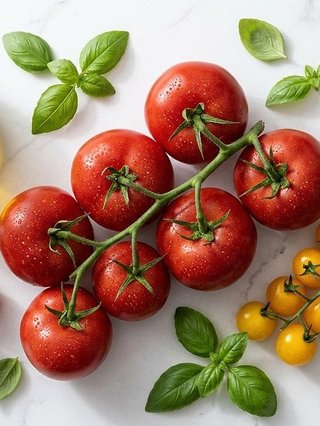
Broccoli, Brussels sprouts, kale, arugula, cabbage, and radishes supply glucosinolates that convert into sulforaphane when chopped or chewed — activating the Nrf2 pathway that regulates cellular antioxidant defenses. Garlic, onions, and leeks contribute complementary organosulfur compounds.
Rounding out meals with berries, green tea, fresh ginger, and extra-virgin olive oil adds protective polyphenols without resorting to pricey detox powders.
Kidneys, Clean Hydration and Dietary Fiber for Smooth Elimination
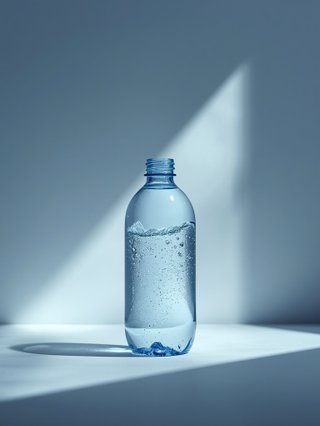
The European Food Safety Authority (EFSA) sets adequate total water intake at roughly 2.0 L/day for women and 2.5 L/day for men from fluids and foods combined, keeping renal filtration smooth and urine well diluted.
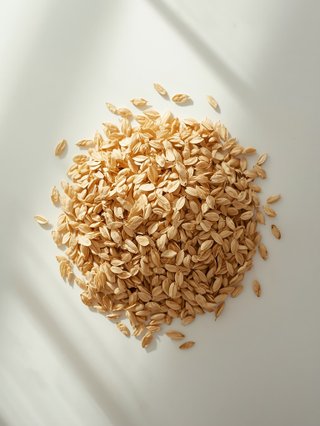
Simultaneously, hitting 25–35 g of daily fiber from vegetables, legumes, ground flaxseed, and oats binds bile acids and metabolic waste in the digestive tract for consistent elimination.
What Relieves Liver Load Most Effectively — References
No trendy cleanse matches the impact of trimming three real hepatic stressors: alcohol, sugar-sweetened beverages high in free fructose, and ultra-processed snacks. A few weeks of fresh home cooking, quality sleep, and regular movement noticeably supports liver biomarkers and daily vitality.
- Hodges RE, Minich DM. Modulation of Metabolic Detoxification Pathways Using Foods. J Nutr Metab, 2015.
- EFSA: Scientific Opinion on Dietary Reference Values for Water. EFSA Journal.
- EASL–EASD–EASO: Clinical Practice Guidelines on MASLD, 2024.
Chcesz wdrożyć te zasady w codziennej diecie?
Nasz inteligentny generator ułoży dla Ciebie zbilansowany jadłospis w 3 minuty, uwzględniając zalecenia z tego artykułu.

Alicja Kowalska
• 28.11.2026Ekspert Diets Premium
Ekspert zespołu Diets Premium. Specjalizuje się w planach żywieniowych, sportach siłowych oraz planach treningowych.