Persymona (owoc kaki, sharon) – wartości odżywcze, jak jeść, gdzie kupić i zdrowe przepisy


Spis treści 4
Nota medyczna i redakcyjna (§3 Regulaminu): Artykuł ma charakter wyłącznie informacyjno-edukacyjny, nie stanowi porady lekarskiej, diagnozy ani zalecenia terapeutycznego i jest stosowany wyłącznie na własne ryzyko. W przypadku chorób lub leczenia skonsultuj dietę z lekarzem prowadzącym.
Miąższ persymony jest bogaty w prowitaminę A, witaminę C, potas, mangan oraz rozpuszczalny błonnik pokarmowy i polifenole. Te składniki aktywnie wspierają ochronę organizmu przed stresem oksydacyjnym, mogą korzystnie wpływać na poziom lipidów we krwi oraz wspomagać prawidłową perystaltykę jelit. Pektyny zawarte w owocu przyczyniają się do utrzymania zdrowego układu trawiennego.
Aby w pełni cieszyć się smakiem i korzyściami persymony, warto wiedzieć, jak wybrać dojrzałe owoce i jak je przechowywać. Artykuł oferuje praktyczne wskazówki dotyczące zakupu i dojrzewania. Przedstawia również inspirujące przepisy kulinarne, które pokazują, jak wszechstronnie można wykorzystać persymonę w zdrowej kuchni, zarówno na surowo, jak i w potrawach gotowanych czy pieczonych, redukując potrzebę dodawania cukru.
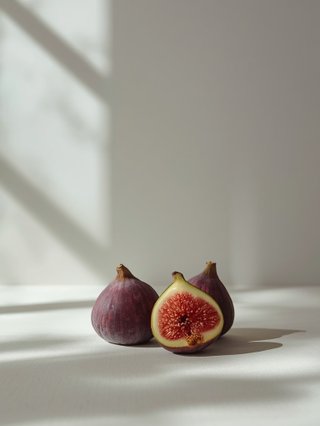
Persymona (Diospyros kaki), znana w Polsce również pod nazwami kaki, hurma wschodnia, hebanowiec wschodni lub w bezpestkowej odmianie jako owoc sharon, to niezwykle wartościowy owoc jesienno-zimowy o intensywnie pomarańczowej barwie i miodowo-słodkim smaku.
Miąższ persymony dostarcza obfitych ilości prowitaminy A (beta-karotenu, likopenu, luteiny i zeaksantyny), witaminy C, potasu, manganu oraz rozpuszczalnego błonnika pokarmowego (pektyn) i polifenoli. Badania żywieniowe potwierdzają, że włączenie owoców kaki do zbilansowanej diety wspiera profil lipidowy krwi, chroni układ sercowo-naczyniowy przed stresem oksydacyjnym oraz korzystnie wpływa na perystaltykę jelit. Jak rozpoznać dojrzały owoc, czym różni się klasyczne kaki od odmiany sharon i jak wykorzystać persymonę w zdrowej kuchni?
Persimmon (kaki, sharon fruit) – botanical origin and health benefits
The persimmon is the edible berry of Diospyros kaki, a deciduous tree belonging to the ebony family (Ebenaceae). Native to China, its cultivation spread centuries ago to Japan and Korea and later to the Mediterranean basin (particularly Spain and Italy), Israel, and California. The trees grow up to 8–10 meters tall and bear glossy, tomato-shaped orange fruits in late autumn.
In retail markets, several commercial varieties of Diospyros kaki are encountered:
- Traditional astringent kaki: rich in soluble tannins when firm; these fruits must ripen until their flesh becomes soft and jelly-like for the astringency to disappear completely.
- Spanish Persimon (e.g., Rojo Brillante) and Sharon fruit (the seedless Triumph cultivar originally grown in Israel’s Sharon Plain): treated post-harvest in a controlled CO2-enriched atmosphere to polymerize soluble tannins into insoluble forms, allowing them to be enjoyed sweet and non-astringent even while crisp and firm like an apple.
A 100 g serving of fresh persimmon provides approximately 70 kcal, 3.6 g of dietary fiber, 160 mg of potassium, and high levels of beta-carotene and catechins that support visual acuity, immune defense, and LDL cholesterol reduction.
Persimmon – how to eat it fresh, dried, and cooked
How you prepare and eat a persimmon depends on its cultivar and ripeness stage. Always wash the fruit thoroughly under running water and remove the woody calyx leaves at the stem end before slicing:
- Soft, fully ripe astringent kaki: slice the fruit in half horizontally and scoop out the luscious, jelly-like flesh with a spoon (much like eating a kiwifruit), discarding the tougher outer skin where astringent tannins are concentrated.
- Firm non-astringent persimmons (Sharon fruit, Spanish Persimon): slice into wedges, rounds, or cubes just like an apple. While the thin skin of non-astringent varieties is edible when thoroughly washed, peeling is recommended for individuals with sensitive digestion or delayed gastric emptying, as concentrated peel tannins and cellulose can rarely contribute to gastric phytobezoar formation.
- Dried and cooked applications: dried persimmon slices (traditionally prized in Japan as hoshigaki) make a fiber- and potassium-rich snack, while fresh persimmon pulp blends seamlessly into baked goods, warm porridge, compotes, and savory salads.
Persimmon – where to buy, how to select, and how to ripen and store
Fresh persimmons are widely available in supermarkets and produce markets from October through late January. When selecting fruits, look for key quality indicators:
- Skin color and integrity: choose fruits with a deep, uniform yellow-orange to reddish-orange hue, taut glossy skin free of cracks, mold spots, or deep bruising, and an intact dry calyx.
- How to ripen astringent persimmons at home: if an astringent kaki is still firm and puckery, place it in a paper bag at room temperature alongside a ripe apple or banana for 3–5 days. The natural ethylene gas released by the companion fruit accelerates softening and tannin polymerization.
- Storage: once fully ripe and soft, transfer persimmons to the refrigerator crisper drawer and consume within 2–4 days.
Persimmon in the kitchen – 3 healthy dietetic recipes
The natural honey-like sweetness of ripe persimmons makes it easy to reduce added sugars in home baking, breakfast bowls, and salads. Here are three nutrient-dense dietetic recipes:
1. Whole-grain spiced persimmon and pecan muffins
- Ingredients: 240 g peeled ripe persimmon pulp, 200 g whole-wheat or whole-spelt flour, 2 eggs, 50 ml cold-pressed rapeseed or olive oil, 40 ml maple syrup or honey, 60 ml water or unsweetened plant milk, 80 g chopped pecans (or walnuts), 1 tsp baking powder, 1/2 tsp baking soda, 1 tsp Ceylon cinnamon, a pinch of ground cloves.
- Preparation: blend the persimmon pulp with the eggs, oil, water, and maple syrup until smooth. In a mixing bowl, whisk together the whole-grain flour, baking powder, baking soda, and spices; gently fold the wet puree into the dry ingredients and stir in the chopped pecans. Portion into muffin tins and bake at 185–190°C for 15–18 minutes until a toothpick comes out clean.
2. Autumn antioxidant persimmon and cinnamon smoothie
- Ingredients: 2 peeled ripe persimmons, 120 ml low-fat milk or unsweetened almond milk, 100 ml freshly pressed cloudy apple juice, 1 tsp fresh lemon juice, 1/2 tsp Ceylon cinnamon, and an optional pinch of grated ginger.
- Preparation: puree all ingredients in a high-speed blender until velvety smooth. Pairing persimmon with milk or almond beverage supplies healthy lipids that enhance intestinal absorption of provitamin A carotenoids.
3. Crisp persimmon, pomegranate, and fresh mint salad
- Ingredients: 2 firm non-astringent persimmons (peeled and diced), 1 crisp apple (diced), arils from 1/2 pomegranate, a handful of fresh mint leaves, 1 tsp lemon juice, 1 tsp honey, a pinch of cinnamon.
- Preparation: gently toss the diced persimmon, apple, pomegranate arils, and shredded mint leaves with lemon juice and honey for a refreshing, polyphenol-rich fruit salad.
Chcesz wdrożyć te zasady w codziennej diecie?
Nasz inteligentny generator ułoży dla Ciebie zbilansowany jadłospis w 3 minuty, uwzględniając zalecenia z tego artykułu.
Tagi

mgr Tomasz Jankowski
• 25.11.2026Ekspert Diets Premium
Ekspert zespołu Diets Premium. Specjalizuje się w planach żywieniowych, sportach siłowych oraz planach treningowych.