5 naturalnych probiotyków, które możesz wyprodukować samodzielnie

Spis treści 6
Nota medyczna i redakcyjna (§3 Regulaminu): Artykuł ma charakter wyłącznie informacyjno-edukacyjny, nie stanowi porady lekarskiej, diagnozy ani zalecenia terapeutycznego i jest stosowany wyłącznie na własne ryzyko. W przypadku chorób lub leczenia skonsultuj dietę z lekarzem prowadzącym.
Omawiane zagadnienia koncentrują się na mechanizmach fermentacji mlekowej i alkoholowej, w których bakterie kwasu mlekowego, dzikie drożdże oraz szlachetne kultury pleśni przekształcają podstawowe surowce w żywność o wysokiej wartości odżywczej. W poszczególnych rozdziałach szczegółowo opisano proces powstawania tradycyjnego kwasu chlebowego na bazie opiekanego chleba żytniego, domowych napojów mlecznych takich jak kefir i jogurt, a także klasycznych kiszonek warzywnych z kapusty oraz ogórków. Całość uzupełniają informacje o aktywnych zakwasach żytnich i buraczanych z dodatkiem czosnku oraz przypraw, jak również o azjatyckich przetworach ze sfermentowanej soi, takich jak tempeh, pasta miso czy natto, które dostarczają łatwo przyswajalnego białka roślinnego oraz cennych metabolitów.
Samodzielne przygotowywanie fermentowanych produktów w domu daje pełną kontrolę nad jakością składników i pozwala uniknąć sztucznych konserwantów czy zbędnych dodatków technologicznych, co sprzyja zachowaniu wysokiej aktywności żywych kultur bakterii. Regularne włączanie do codziennych posiłków niewielkich porcji różnorodnych kiszonek, domowego nabiału, zakwasu na żurek czy barszcz oraz roślinnych zamienników mięsa na bazie soi stanowi praktyczny sposób na urozmaicenie diety i łagodne wsparcie mikroflory jelitowej po okresach zwiększonego obciążenia organizmu.
Ten artykuł jest profesjonalnym materiałem merytorycznym (PRO) udostępnionym w całości.
Od najdawniejszych czasów ludzie interesowali się zdrowiem, badając wpływ roślin i żywności na stan organizmu i jego zdolności regeneracyjne. W przeszłości wierzono, że napoje mleczne poddane fermentacji są korzystne dla układu trawiennego. Z upływem czasu odkryto istnienie flory jelitowej, nad którą prowadzi się ciągle badania. Nasze obecne zrozumienie ekosystemu człowieka jest wciąż stosunkowo małe, ale wiemy, że sam układ jelitowy składa się z około 100 bilionów mikroorganizmów, które należą do setek różnych gatunków. Każdy człowiek ma swój unikalny wzór mikroflory jelitowej, przypominający linie papilarne. Skład ten nie jest jednak stały i może ulec zaburzeniu pod wpływem diety, leków, antybiotyków czy stresu. Zniszczoną florę jelitową można skutecznie odbudować, włączając do codziennej diety naturalne produkty probiotyczne.
Homemade Dairy Beverages: Kefir and Yogurt
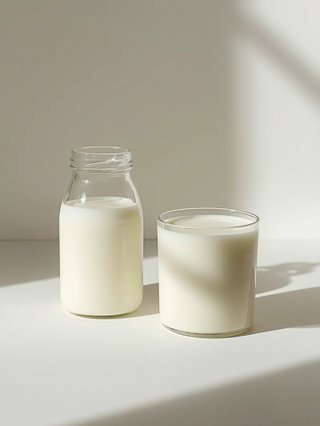
Fermented dairy products are among the oldest and most valuable natural probiotics known to humanity. Making yogurt and kefir at home is straightforward and allows you to maximize the count of live lactic acid bacteria while remaining free from artificial additives and preservatives. To prepare yogurt, pasteurized milk is heated to around 42-45 °C and inoculated with active yogurt cultures or a spoonful of plain yogurt. Kept at a warm, steady temperature, the bacteria multiply and ferment lactose into lactic acid, resulting in a thick consistency. Kefir, on the other hand, is produced using specific kefir grains—a symbiotic culture of lactic acid bacteria and yeasts. Consuming these beverages promotes gut health, improves lactose tolerance, and sustainably strengthens the immune system.
Traditional Vegetable Pickles: Cucumbers and Cabbage
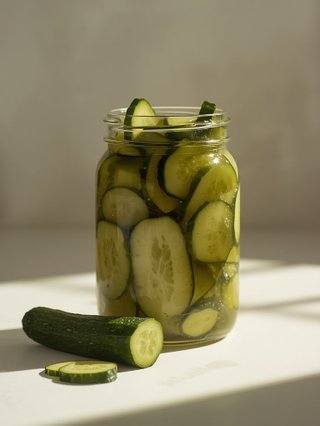
Traditional lactic acid fermentation of vegetables is a millennia-old preservation method that simultaneously generates an abundance of probiotic microorganisms and bioactive compounds. Sauerkraut and pickled cucumbers are among the most popular and effective representatives of this category. The process relies on the activity of naturally occurring lactic acid bacteria on the surface of the vegetables, which convert sugars into lactic acid under anaerobic conditions. This low pH environment preserves the vegetables while creating an ideal habitat for beneficial microbes. Homemade vegetable ferments are rich in vitamin C, dietary fiber, and enzymes that stimulate digestion, help regulate cholesterol levels, and protect the intestinal mucosa.
Traditional Bread Kvass
Bread kvass is a traditional fermented cereal beverage deeply rooted in Eastern European culinary culture. It is produced through the combined alcoholic and lactic acid fermentation of rye bread, water, sugar, and yeast. The result is a refreshing, slightly effervescent drink rich in B-complex vitamins, organic acids, and live probiotic cultures. Making it at home involves toasting rye bread crusts, which are then steeped in warm water with sugar and a small starter of yeast or sourdough. After a few days of fermentation, the liquid is strained and bottled. Bread kvass effectively quenches thirst, supports digestive processes, regulates metabolism, and aids in restoring gut flora after physical exertion.
Active Sourdough: Rye or Beet Ferment
Sourdough is not only the foundational element for artisanal bread and traditional soups like Polish rye sour soup, but also an outstanding source of active lactic acid bacteria.
A classic rye sourdough is created through the prolonged fermentation of rye flour and water, where wild yeasts and lactobacilli work in tandem. Similarly, traditional beet ferment (barszcz zakwas) is prepared by soaking raw beets with garlic, spices, and water. During a multi-day fermentation process, beneficial bacteria multiply rapidly, making the final liquid rich in antioxidants, iron, and probiotics. Although boiling the soup inactivates a portion of the live bacteria, valuable fermentation byproducts and organic acids remain intact, exerting a beneficial effect on the digestive tract.Fermented Soy Products: Tempeh and Miso
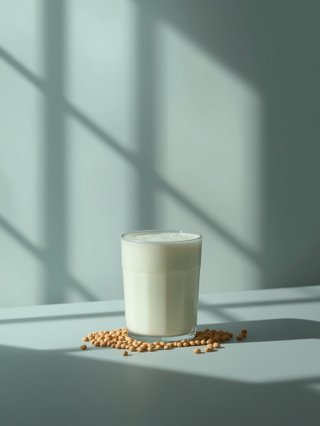
Fermented soy products such as tempeh and miso represent the rich tradition of Asian fermentation craftsmanship and are increasingly valued in Western nutritional science. Tempeh, originally from Indonesia, is produced by the controlled fermentation of whole soybeans using the beneficial mold Rhizopus oligosporus. The result is a firm, nutty-tasting block rich in highly digestible protein and probiotic metabolites. Miso, on the other hand, is a traditional Japanese seasoning paste made from fermented soybeans, salt, and koji starter (Aspergillus oryzae), aged for months or even years. Both products provide essential amino acids, B-group vitamins, and live microorganisms that enrich the gut microbiome, modulate immune function, and support overall cardiovascular health.
Traditional Asian fermented soy derivatives: tempeh, miso paste, and natto – characteristics, preparation methods, and health benefits
Chcesz wdrożyć te zasady w codziennej diecie?
Nasz inteligentny generator ułoży dla Ciebie zbilansowany jadłospis w 3 minuty, uwzględniając zalecenia z tego artykułu.

mgr Emilia Szymańska
• 25.11.2026Ekspert Diets Premium
Ekspert zespołu Diets Premium. Specjalizuje się w planach żywieniowych, sportach siłowych oraz planach treningowych.